

Blogpost
Private Money Goes Digital: The Strategic Choice Between Stablecoins and Tokenised Deposits
Artificial Intelligence, Digitalisation, Future Banking
Article

For decades, treasury operations were clearly structured: daily closings, cut-off times, periodic forecasts and historically established management frameworks formed the backbone of liquidity and risk management – both in bank treasury departments and in the treasury functions of large corporations.
In a world with clear time windows, predictable cash flows and sufficient reaction time, this model works well. Yet it is precisely these framework conditions that are currently breaking down.
Real-time payments, 24/7 availability of payment infrastructures, shortened settlement cycles such as T+1, volatile markets and new digital asset classes are forcing treasury functions into a new role. Treasury is evolving from a periodic function into a permanent control centre.
Already have an account? Then simply log in. New to Banking.Vision? Register now and enjoy free access to all content.
You can register here free of charge. Simply fill in the form and enjoy unlimited access to all the content on Banking.Vision.

Blogpost
Artificial Intelligence, Digitalisation, Future Banking
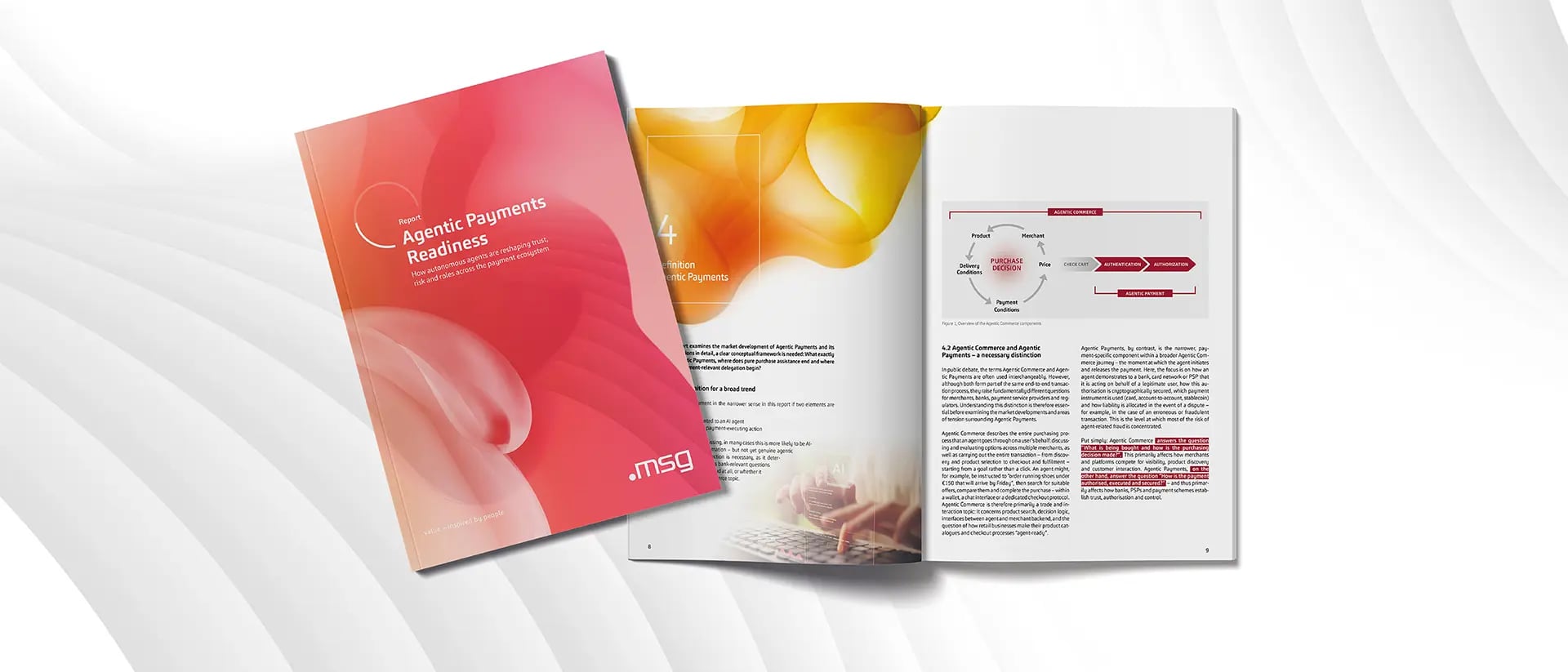
Study
Artificial Intelligence, Digitalisation, Payments

Blogpost
Artificial Intelligence, Business Models, Strategy